Radiofrequency Facial Rejuvenation

Radiofrequency facial rejuvenation is one of the most preferred methods in the field of skin renewal today. It increases collagen production by delivering heat energy to the deeper layers of the skin. In this way, the skin becomes tighter, brighter, and more vibrant. Since it does not require a surgical procedure, it offers a natural rejuvenation process. This effective, safe, and fast-acting method is a modern solution for those who want to reduce the signs of aging.

What Is Radiofrequency Facial Rejuvenation?

Radiofrequency facial rejuvenation has become one of the most popular non-surgical skin renewal methods in the aesthetic field in recent years. This method is a technology that transmits high-frequency radio waves beneath the skin, stimulating collagen and elastin production, tightening the skin tissue, and enhancing facial contours. Radiofrequency energy generates heat in the deeper layers of the skin, promoting cell regeneration. In this way, a rejuvenation process begins from the inside out without causing any damage to the skin’s surface.

radyofrekans-ile-yuz-genclestirmenin-faydalari-nedir

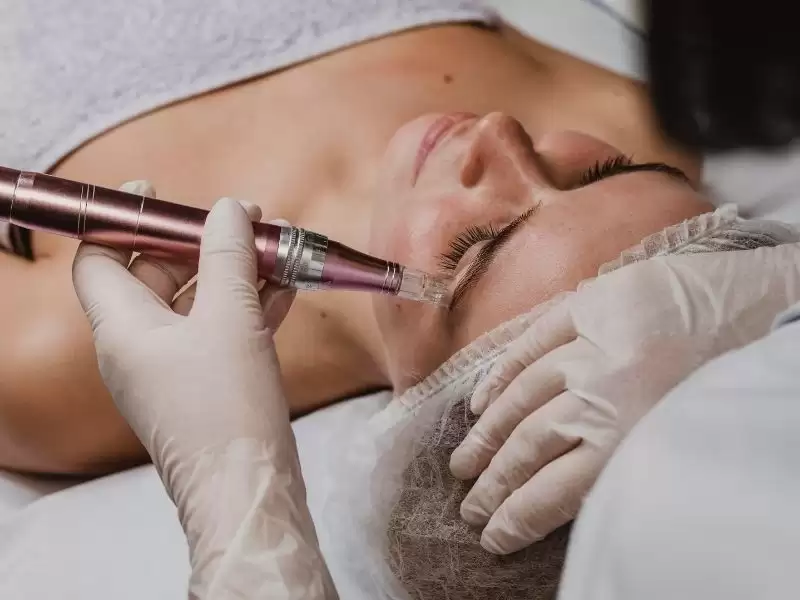
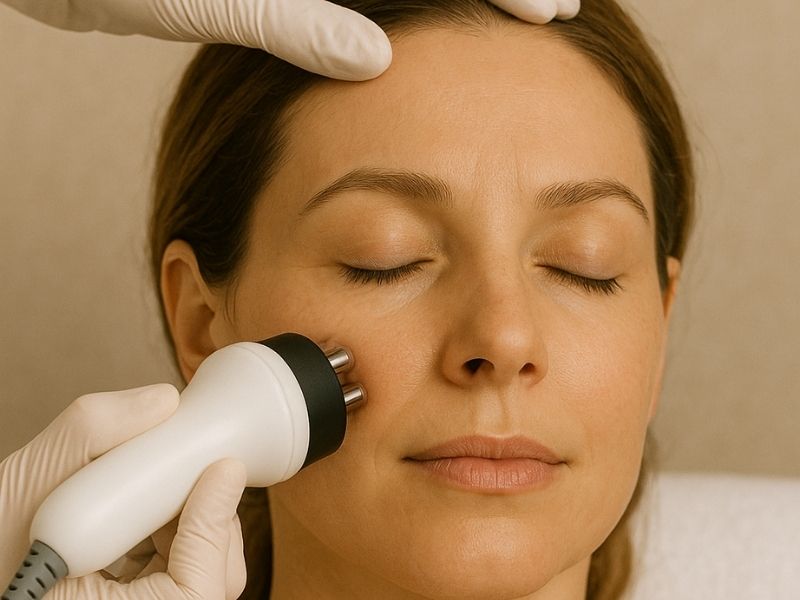
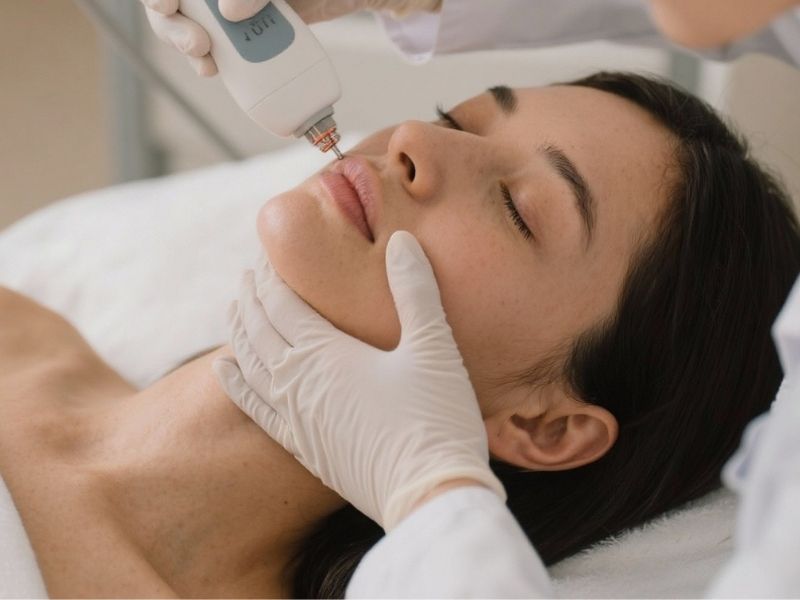
During the procedure, radiofrequency energy is transmitted with the help of a special device that comes into contact with the skin surface. This energy causes an increase in temperature in the dermis layer of the skin, stimulating fibroblast cells. With the activation of fibroblasts, collagen production increases, and over time, the skin becomes tighter, brighter, and more elastic. It provides a highly effective result, especially in reducing wrinkles, tightening sagging skin, and enhancing facial contours.

Since this method is completely non-invasive, meaning it does not require surgical intervention, it is an excellent option for people who want to rejuvenate without disconnecting from social life. The recovery period after the procedure is quite short, and the person can return to normal life on the same day.

What Are the Benefits of Radiofrequency Facial Rejuvenation?

Radiofrequency facial rejuvenation positively affects not only the aesthetic appearance but also skin health, thanks to its versatile effects.

One of the most important benefits is that it restores the lost firmness of the skin over time by increasing the production of collagen and elastin fibers. Signs such as looseness, dullness, and wrinkles that occur as the skin ages are visibly reduced with this method.

Radiofrequency energy also accelerates blood circulation in the skin. This increases the oxygenation of the cells and allows toxins to be removed more quickly. As a result, the skin becomes more vibrant, luminous, and smooth. In addition, the radiofrequency application is effective in evening out the skin tone and reducing the appearance of pores.

Compared to other aesthetic procedures, its painless nature, lack of need for anesthesia, and quick results are among its major advantages. Since it is not a surgical procedure, there are no scars, and a natural appearance is achieved. Therefore, it is an ideal solution for those who want to rejuvenate while preserving their facial contours.

Who Can Have Radiofrequency Facial Rejuvenation?

Radiofrequency facial rejuvenation can generally be applied to anyone aged 25 and over who has loss of elasticity, mild sagging, fine wrinkles, or uneven skin tone. It is particularly beneficial for people who want to tighten the facial oval, define the jawline, soften nasolabial folds, and reduce wrinkles around the eyes.

It is also an effective option for those who experience skin laxity problems after childbirth, weight loss, or aging. Anyone who does not have very sensitive skin, open wounds, or infections can be a suitable candidate for radiofrequency application.

This procedure is preferred by both women and men. Today, it is especially common among individuals with a busy work schedule who avoid aesthetic surgeries.
Who Cannot Have Radiofrequency Facial Rejuvenation?

Although it is a safe method, radiofrequency facial rejuvenation is not suitable for some individuals. It is not recommended to be performed on pregnant or breastfeeding women. Although radiofrequency energy does not have a negative effect on the fetus, it is advised to avoid the procedure during these periods for safety reasons.

It should also not be applied to people who have pacemakers or metal implants, as radiofrequency energy may interfere with the functioning of these devices. Similarly, it is not recommended for individuals who have open wounds, active infections, burns, or serious dermatological conditions on the face.

Caution should also be exercised in people with advanced diabetes, blood clotting disorders, or weakened immune systems. In such cases, doctor approval must be obtained.

What Are the Effects of Radiofrequency Facial Rejuvenation?

After the radiofrequency procedure, an immediate sense of vitality and firmness can be felt in the skin. However, the main effects become noticeable within a few weeks as collagen production increases. Within an average of 2-3 months, the skin tissue becomes firmer, wrinkles are reduced, and facial contours become more defined.

In the long term, skin quality improves, loss of elasticity decreases, and the skin gains a fuller structure. Since radiofrequency also reduces the size of fat cells, it has a mild facial slimming effect. This is particularly noticeable in the chin and cheek areas.

These positive changes in the skin give the person a younger, more dynamic, and refreshed appearance. Moreover, the achieved results can be maintained for a long time with regular sessions.

How Many Sessions of Radiofrequency Facial Rejuvenation Are Required?

The number of sessions for radiofrequency facial rejuvenation varies depending on the person’s skin type, age, and expectations. It is usually completed in an average of 4 to 6 sessions. Each session lasts between 30 and 60 minutes, with intervals of 1 to 2 weeks between sessions.

Even after the first session, a noticeable feeling of tightness can be observed, but the maximum effect appears after regular sessions. The achieved results can last for about 1 to 1.5 years, depending on the skin structure. To maintain long-lasting results, it is recommended to have a maintenance session once a year.

The radiofrequency procedure can also be combined with other skin rejuvenation methods such as laser or fillers. In this way, a synergistic effect is created, resulting in stronger and longer-lasting outcomes.

What Should Be Considered After a Radiofrequency Facial Rejuvenation Procedure?

radyofrekans-ile-yuz-genclestirme-yuze-kac-seans-uygulanir

Some points to pay attention to after a radiofrequency procedure are important to enhance the effect of the treatment and to prevent unwanted reactions on the skin. After the procedure, a slight redness or warmth may occur on the skin; this condition usually disappears on its own within a few hours.

For 24 hours after the procedure, activities that increase body temperature such as hot showers, saunas, steam baths, and intense exercise should be avoided. In addition, sun protection is very important. Since the skin becomes more sensitive, sunscreen should be used, and direct exposure to sunlight should be avoided.

As moisture loss may occur after the procedure, moisturizing products should be applied, and plenty of water should be consumed. Avoiding makeup and allowing the skin to rest for the first few days will ensure healthier results.

With regular skincare, the effects of radiofrequency can be maintained for a longer period. Therefore, skin cleansing, moisturizing, and sun protection should become routine habits.

Click here to learn more about non-surgical facial aesthetics.

Frequently Asked Questions About Radiofrequency Facial Rejuvenation

Is the radiofrequency facial rejuvenation procedure painful?

Radiofrequency treatment is generally not painful. You may only feel a mild warmth on the skin. Thanks to the special cooling systems used during the procedure, the comfort level is high and anesthesia is not required.

Can makeup be applied immediately after radiofrequency facial rejuvenation?

Since slight redness may occur after the procedure, it is usually recommended to wait 4–6 hours. Light makeup can be applied once the skin has completely calmed down.

How soon are the results of radiofrequency facial rejuvenation visible?

Mild tightening can be noticed even after the first session. However, since collagen production increases over time, full results typically appear within 2 to 3 months.

Can radiofrequency facial rejuvenation be done during the summer?

Yes, since radiofrequency energy does not damage the skin surface, it can safely be performed in all seasons, including summer. However, using sunscreen after the procedure is important.

Is radiofrequency facial rejuvenation permanent?

The results last for a long time, but durability depends on the individual’s skin structure and lifestyle. Maintenance sessions are recommended after an average of 1–1.5 years.

Does radiofrequency treatment cause burns on the skin?

No, when performed with professional equipment, radiofrequency energy does not harm the skin surface. The procedure is carried out with controlled heat, and there is no risk of burns.

Does radiofrequency treatment remove skin spots?

The main effect of radiofrequency is skin tightening and collagen renewal. However, by improving circulation, it can help even out skin tone and lighten the appearance of dark spots over time.

Can you exercise after radiofrequency facial rejuvenation?

It is not recommended to exercise during the first 24 hours after the procedure, as physical activity can increase body temperature and irritate the skin. After that, you can safely return to your regular workout routine.

What is the difference between radiofrequency and ultrasound (HIFU) treatments?

Radiofrequency energy targets the middle layer of the skin, while HIFU reaches deeper layers. Radiofrequency is preferred for surface wrinkles and skin elasticity, whereas HIFU provides a deeper lifting effect.

Can skincare be done after radiofrequency facial rejuvenation?

Yes, but avoid aggressive peels or products containing harsh chemicals within the first 24 hours after the procedure. Afterward, moisturizing and soothing skincare products can be used as part of a regular routine.

Bize Ulaşın
tr en