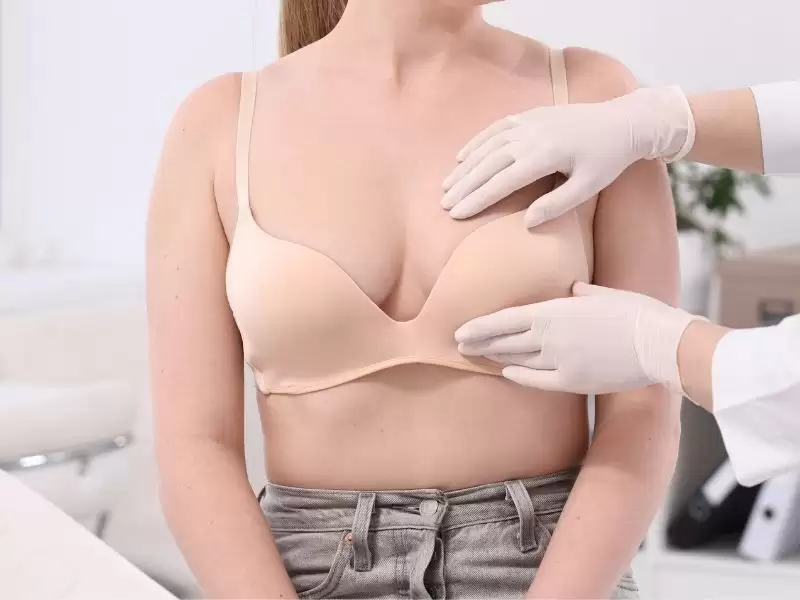
There are different methods in aesthetic surgery for individuals who want to increase breast volume or reshape the breasts. One of the most commonly preferred procedures among these methods is the use of breast implants. Breast implant procedures can be planned to increase breast volume, provide symmetry, or correct congenital or acquired shape differences. Today, with developing surgical techniques and materials, results that are closer to a natural appearance are aimed for.
This method, applied within the scope of breast aesthetics, is planned according to the individual’s body structure and expectations. In the procedure process, not only volume increase but also achieving a balanced breast form is important. For this reason, a detailed evaluation is performed before the operation. The structure of the implants used, the placement technique, and the surgical planning are the main elements of the process.
- What Is A Breast Implant?
- How Should Breast Implant Selection Be Made?
- Breast Implant Placement Techniques
- Types Of Breast Implants
- 1. Breast Implants By Shape
- Round Implants
- Teardrop (Anatomical) Implants
- 2. Breast Implants By Content
- Silicone Gel-Filled Implants
- Saline-Filled Implants
- Smooth Surface Implants
- Textured Surface Implants
- 3. Breast Implants By Profile
- Low Profile
- Moderate Profile
- High Profile
- In Which Situations Are Breast Implants Used?
- How Is Breast Implant Surgery Performed?
- After Breast Implant Surgery
- Breast Implant Prices
- Frequently Asked Questions About Breast Implants
What Is A Breast Implant?
A breast implant is a medical implant used to increase breast volume, improve breast shape, or recreate lost breast tissue. These implants are generally placed under the breast tissue or beneath the chest muscle and aim to provide the breast with a fuller, more symmetrical, and balanced appearance. Today, the most commonly used implants in aesthetic surgery are silicone implants filled with gel. These implants are designed to provide a feel and appearance similar to natural breast tissue. Breast implants are used not only for aesthetic purposes but also play an important role in reconstructive surgeries after breast cancer. In cases where part or all of the breast tissue has been lost, it may be possible to recreate the breast form with the use of an implant. In this respect, breast implant procedures are among the surgical interventions evaluated from both aesthetic and functional perspectives.
What is a breast implant is a question generally researched by people planning breast augmentation or reshaping. However, this procedure is not limited only to increasing volume. It may also be preferred to achieve balance in people with breast asymmetry, correct congenital developmental differences, or compensate for volume loss after weight loss. During the procedure, the size, shape, surface texture, and placement technique of the implant to be used are planned entirely on an individual basis. In this planning, the individual’s body measurements, skin elasticity, breast tissue structure, and aesthetic expectations are taken into consideration. Therefore, breast implant procedures are not standard interventions but an aesthetic surgery process specially designed for each patient.
How Should Breast Implant Selection Be Made?
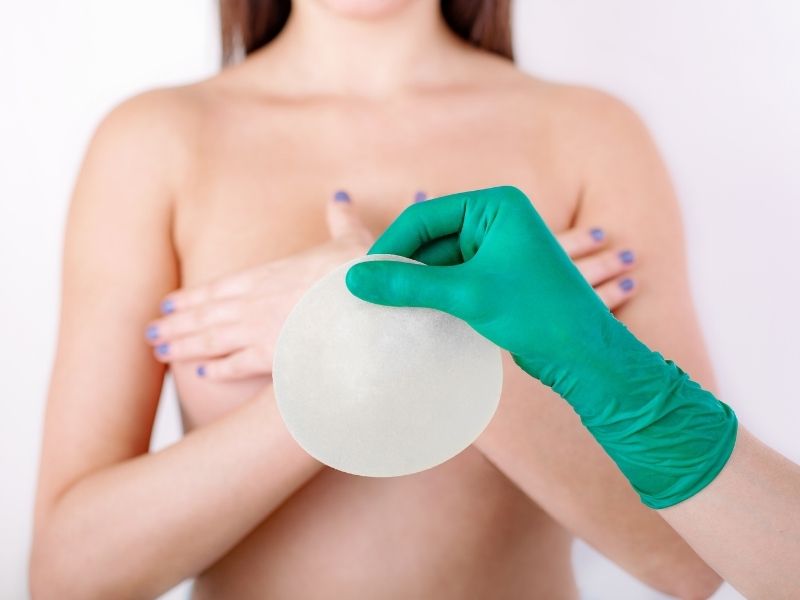
Breast implant selection is one of the most important stages of the process in terms of achieving a natural and balanced aesthetic result. At this stage, instead of aiming only for volume increase, planning should be made in harmony with the individual’s body structure. Factors such as shoulder width, chest wall structure, existing breast tissue, and skin elasticity are considered when determining implant size. Although excessively large implants may provide the desired appearance in the short term, they may lead to situations such as skin stretching, sagging, or a disproportionate appearance in the long term. For this reason, balanced and natural results are prioritized in the aesthetic surgery approach.
In implant selection, not only size but also shape and profile are important. Round or teardrop-shaped implants may be preferred according to the individual’s aesthetic expectations. In addition, the projection of the implant, meaning the degree to which it protrudes forward, is also among the determining factors.
At this point, the individual’s daily life, clothing preferences, and expectations are also included in the evaluation process. With correct planning, it is aimed to achieve satisfactory results both aesthetically and functionally.
The quality of the implant used is also an important criterion in the selection process. Brands known for reliability and quality standards in aesthetic surgery may be preferred. For example, implants such as Mentor breast implants may be among the frequently used options due to certain quality and safety standards. However, not every brand and model may be suitable for every patient. Therefore, implant selection should be made individually.
The technique by which the implant will be placed is also included in the planning process. For example, submuscular breast implants or subglandular breast implants may offer different advantages depending on the person’s anatomical structure. Therefore, not only the implant itself but also the surgical technique to be applied is an important part of the aesthetic result.
In addition, while planning breast aesthetics, not only implant applications but also alternative breast augmentation methods may be considered. In some cases, evaluating different techniques together may provide more suitable results. Therefore, planning the entire process by an experienced specialist is of great importance in terms of both aesthetic results and patient satisfaction.
Breast Implant Placement Techniques
Breast implant placement techniques are an important stage in terms of ensuring a natural-looking aesthetic result and providing long-term comfort. These techniques are determined according to the position of the implant between the breast tissue and the chest muscle, and the same method is not preferred for every patient. During surgical planning, the thickness of the breast tissue, skin structure, body proportions, and aesthetic expectations are evaluated together. Therefore, a detailed analysis is required before breast implant surgery. Choosing the right technique may be decisive in terms of both aesthetic appearance and the long-term stability of the implant.
One of the most commonly used methods is submuscular breast implant placement. In this technique, the implant is placed under the chest muscle. Submuscular placement may contribute to a more natural appearance of the implant, especially in individuals with thin breast tissue. In addition, the likelihood of the implant edges being noticeable from the outside may be lower. In some cases, this method may help reduce the risk of capsule formation. However, mild pain related to muscle movement may be felt during the first days after surgery, and the recovery process may be slightly longer compared to the over-the-muscle technique.
Another method is the subglandular breast implant placement technique. In this method, the implant is placed directly under the breast tissue and the muscle tissue is not involved. Subglandular placement is generally preferred in individuals with sufficient breast tissue. With this technique, the recovery process may often be more comfortable and postoperative pain may be more limited. However, in individuals with thin skin structure, the likelihood of the implant becoming noticeable may be higher.
In some cases, surgeons may also plan hybrid approaches. In such procedures, part of the implant is placed under the muscle and part under the breast tissue. This approach aims to achieve a balanced result in terms of both natural appearance and comfort. As a result, which technique will be preferred is determined according to the individual’s anatomical features and expectations, and this decision should definitely be made by an experienced specialist.
Types Of Breast Implants
Breast implants are divided into different categories according to shape, content, and surface characteristics, and each implant type may create different aesthetic results. Therefore, when making a breast implant selection, not only volume but also the technical characteristics of the implant should be considered. The structure of the implant used, its compatibility with the breast tissue, and body proportions are decisive in terms of achieving a natural-looking aesthetic result. Today, thanks to developing aesthetic surgery techniques, there are many implant options suitable for different needs. This variety makes it possible to create a personalized plan for each patient.
1. Breast Implants By Shape
Round Implants
Round implants are preferred for individuals who want fullness in the upper part of the breast. These implants may create a more pronounced appearance by distributing volume more evenly to the upper and lower poles. They are especially often preferred in individuals who want fullness in the cleavage area. One advantage of round implants is that their form does not change even if their position changes. This feature contributes to preserving the appearance even if the implant rotates. It may be a suitable option for individuals who want a fuller and more pronounced appearance.
Teardrop (Anatomical) Implants
Teardrop-shaped implants are developed to achieve an appearance closer to the natural breast form. They create more volume in the lower part while providing a softer transition in the upper part. In this way, the breast gains a more natural slope. They may be preferred especially in slim individuals to achieve more natural results. For this reason, teardrop breast implants are frequently considered by individuals who prioritize naturalness in aesthetic appearance. However, it is important that these implants are placed in the correct position because rotation may cause a change in shape.
2. Breast Implants By Content
Silicone Gel-Filled Implants
Silicone gel-filled implants are the most commonly used implant type today. The gel structure inside provides a softness and feel similar to natural breast tissue. For this reason, silicone breast implants are frequently preferred in aesthetic surgery. Silicone gel helps the implant maintain its form and may provide a more natural appearance from the outside. Today’s silicone implants are designed for long-term use with their durable structure.
Saline-Filled Implants
Saline-filled implants are implants containing sterile salt water. These implants can generally be placed through smaller incisions because they can be filled after placement. However, they may provide a different feel compared to silicone implants, and in some cases a rippling sensation may occur. Therefore, their area of use is more limited.
Smooth Surface Implants
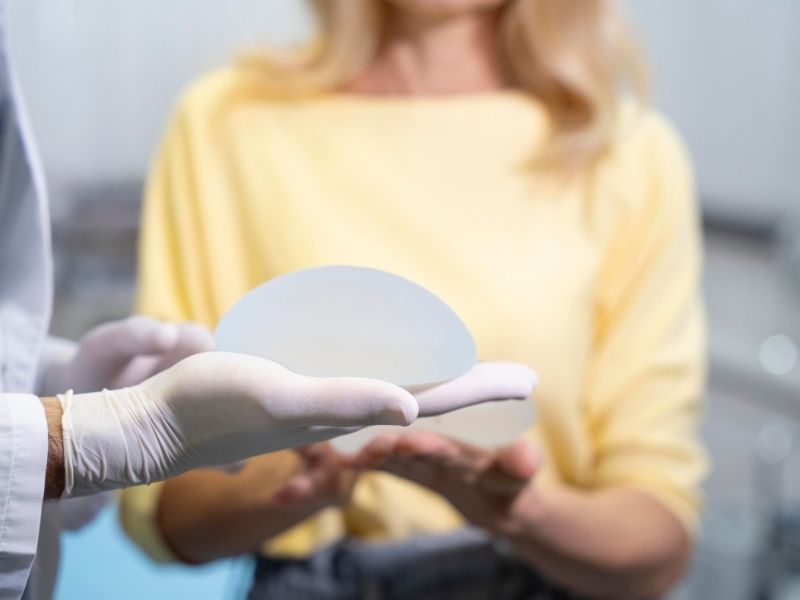
Smooth surface implants have a polished outer surface. Thanks to this structure, the implant can move more freely within the breast tissue. This mobility may provide a more natural feel in some cases. However, the possibility of displacement may be higher compared to textured surface implants.
Textured Surface Implants
Textured surface implants may adhere better to surrounding tissues thanks to their specially designed outer surface. This may help the implant remain stable and reduce the risk of rotation. This feature may provide an important advantage especially in anatomical implants.
3. Breast Implants By Profile
Low Profile
Low profile implants offer a wider base and less projection. These implants are generally preferred in individuals with a wider chest wall. They may help achieve a more natural and broader appearance.
Moderate Profile
Moderate profile implants offer a balanced structure in terms of volume and projection. Therefore, they may be a suitable option for individuals who want both a natural and fuller appearance. They are among the most frequently preferred profile options in daily practice.
High Profile
High profile implants are implants with a narrower base but more pronounced projection. These implants are especially preferred in individuals who want a more noticeable increase in volume. They may create a more attention-grabbing appearance by increasing the forward projection of the chest.
As a result, the types of breast implants are quite broad, and each implant type offers different aesthetic outcomes. Therefore, the right implant selection should be planned by a specialist physician in line with the individual’s anatomical structure and expectations.
In Which Situations Are Breast Implants Used?
Breast implant procedures are among surgical interventions that can be planned for both aesthetic and medical reasons. One of the most common reasons for preference is the aesthetic expectation of individuals who want to increase breast volume. Within this scope, the breast implant used may help achieve an appearance more compatible with the person’s body proportions. Especially individuals with small breast volume or those who experience volume loss over time may prefer this method for a fuller and more balanced appearance. In addition, implant procedures may also come to the agenda in cases where breast development is insufficient from birth. Insufficient development of breast tissue may cause the individual to be dissatisfied with their physical appearance. In such cases, surgical planning aims to achieve supportive results both aesthetically and psychologically. In this process, the silicone breast implant is frequently preferred because it can provide results close to a natural appearance.
Breast implant procedures are not only for aesthetic purposes. They may also be used for reconstruction in cases where breast tissue is lost due to breast cancer or other reasons. In such surgeries, the aim is to restore body integrity by placing an implant in place of the lost breast tissue. In this respect, breast implant surgery is evaluated as not only an aesthetic but also a functional procedure.
In addition, implant procedures may also be preferred in individuals with a significant size or shape difference between the two breasts. Breast asymmetry may cause discomfort both aesthetically and psychologically. In such cases, the aim is to achieve a more balanced appearance through implant use.
In addition to these, implant procedures may also be planned in situations such as volume loss or sagging of the breasts after weight loss, childbirth, and breastfeeding. Such conditions may cause emptiness and loss of volume in the breast tissue. Therefore, in some individuals, implant procedures come to the forefront among breast augmentation methods.
As a result, breast implant application is a multifaceted aesthetic surgery procedure planned according to personal needs and expectations. In which situations it will be used should be evaluated by a specialist physician in line with the individual’s anatomical structure and goals.

How Is Breast Implant Surgery Performed?
Breast implant surgery is a surgical procedure generally performed under general anesthesia and lasting an average of 1–2 hours. Before the operation, a detailed plan is made by evaluating the patient’s body structure, breast tissue, and expectations. During surgery, the area where the implant will be placed and the incision site are determined. These incisions can generally be made in the inframammary fold, the armpit, or around the nipple. The selected method may affect both the aesthetic result and the visibility of scars.
During the surgical procedure, the implant of appropriate size and structure is placed in line with the previously planned technique. At this stage, the position of the implant, namely submuscular or subglandular placement, is carefully determined. After the implant is placed, symmetry and appearance are checked, and the incision areas are closed.
Thanks to modern techniques used today, postoperative scars are generally aimed to be kept at a minimal level. After the surgery is completed, the patient is kept under observation for a short period and may be discharged the same day or the next day.
After Breast Implant Surgery
Although the recovery process after breast implant surgery varies from person to person, it generally progresses in a controlled and gradual manner. In the first days, mild pain, a feeling of tightness, and swelling may be seen. This develops due to the surgical intervention and usually begins to decrease within a few days. Pain relievers and care recommendations suggested by the doctor may help this process pass more comfortably.
It is important for patients to pay attention to certain rules in the postoperative period. Especially in the first weeks, it is recommended to avoid heavy lifting, sudden arm movements, and intense physical activities. In addition, the use of a supportive bra for the period recommended by the doctor may help the implant remain in the correct position. During the recovery process, regular check-ups and compliance with recommendations are important in terms of both preserving the aesthetic result and preventing possible complications.
Breast Implant Prices
Breast implant prices may vary depending on many factors. The type of implant used, the scope of the surgery, the experience of the surgeon, and the healthcare center where the procedure is performed may all affect the price.
For this reason, a clear price is generally determined after examination and evaluation. Personalized planning is an important step in terms of both the aesthetic result and cost.
Frequently Asked Questions About Breast Implants
1. How many years can a breast implant be used?
Breast implants are medical implants designed for long-term use. Today’s silicone implants can remain in place for many years without problems thanks to their durable structure. However, regular medical check-ups are recommended, and replacement may be planned if needed.
2. How should breast implants be cared for?
Breast implants do not require special daily care. However, it is important not to miss the follow-up appointments recommended by the doctor after surgery. If any sudden change is noticed in the breast area, it should be evaluated by a specialist.
3. How is massage done after breast implants?
The need for massage and the way it should be performed may vary depending on the type of implant used and the surgical technique. For this reason, massage should only be done if recommended by the doctor. Incorrect massage may affect the position of the implant.
4. When do breast implants settle into place?
In the first weeks after surgery, there may be swelling and tightness in the breast tissue. The implant usually settles into a more natural position within a few weeks to a few months. This process may vary from person to person.
5. How permanent are breast implants?
Breast implants are designed to be long-lasting, but this does not necessarily mean they will remain unchanged for a lifetime. Over time, replacement may become necessary. The condition of the implant should be assessed through regular follow-up.
6. Who is not eligible for breast augmentation surgery?
This surgery is not recommended for individuals whose general health condition is not suitable for surgery. In addition, the procedure may be postponed in people with an active infection or serious chronic illnesses. Suitability is determined through a doctor’s evaluation.
7. Is breastfeeding possible with breast implants?
Many people can breastfeed after breast implant surgery. The surgical technique used and the placement of the implant may affect this. For this reason, any breastfeeding plans should be discussed with the doctor before surgery.
8. Is it possible to do sports with breast implants?
Sports and exercise can generally be resumed once the healing process is complete. However, heavy exercise should be avoided during the first weeks. The timing of returning to physical activity should be planned according to the doctor’s recommendation.
9. Can a breast implant rupture?
Today’s breast implants are made with durable materials and do not rupture easily. However, damage may occur in rare cases or after trauma. In such situations, a doctor should be consulted for evaluation.