Today, many people who want to reduce the signs of aging and eliminate sagging skin turn to non-surgical aesthetic methods. One of these methods, the thread lift procedure, stands out for providing effective results in a short time. Thanks to the special threads placed under the skin, facial contours are reshaped, the skin is tightened, and a more youthful appearance is achieved. Due to its natural results and fast recovery process, the thread lift is becoming increasingly preferred in the modern aesthetic world.
- What Is the Thread Lift Procedure?
- What Is the Purpose of the Thread Lift Procedure?
- Which Areas Can the Thread Lift Procedure Be Applied To?
- Who Is Suitable for the Thread Lift Procedure?
- How Is the Thread Lift Procedure Performed?
- What Are the Advantages of the Thread Lift Procedure?
- Is the Thread Lift Procedure Permanent?
- Post-Procedure Care After Thread Lift
What Is the Thread Lift Procedure?
The thread lift procedure is a minimally invasive aesthetic method performed to tighten sagging skin, define facial contours, and achieve a rejuvenated appearance without requiring surgical intervention. In this procedure, support is provided under the skin using specially designed absorbable or permanent threads.
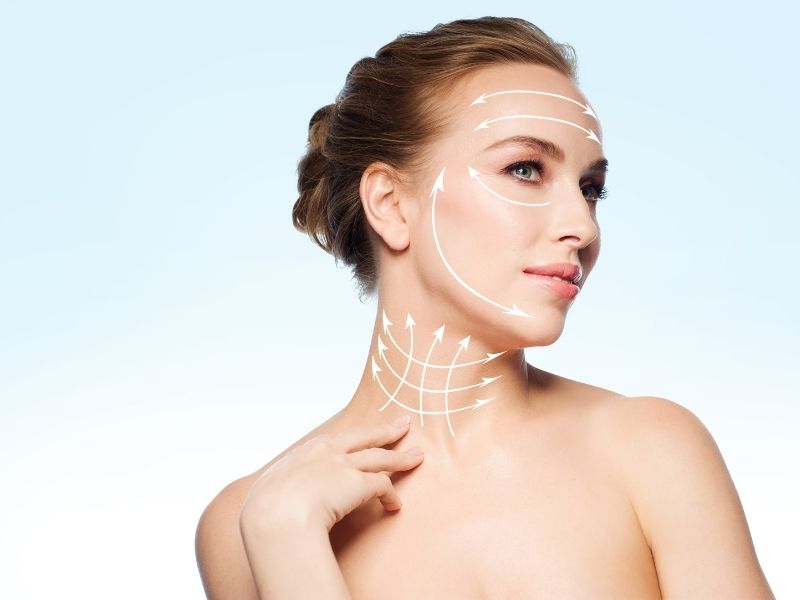
Thanks to the threads placed in the deeper layers of the skin, the skin is lifted upward and gains a firmer appearance. Preferred as an alternative to facelift surgery, the thread lift method has become very popular in recent years due to its quick application and natural results. This procedure is not limited to the face area only; it also provides effective results in areas such as the neck, jawline, and eyebrows. The threads used during the procedure are usually made of biocompatible materials such as PDO, PLA, or PCL and are gradually absorbed by the body, stimulating collagen production. In this way, the skin becomes not only temporarily but also long-term tighter and more vibrant.

What Is the Purpose of the Thread Lift Procedure?
The thread lift procedure aims to restore and reshape facial contours by tightening the skin tissue that loosens with the aging process. Through this procedure, facial sagging is eliminated, the cheeks are lifted, the jawline is defined, and a more youthful appearance is achieved. In addition to providing an aesthetic look, the thread lift also enhances skin elasticity, promoting long-term rejuvenation. The increase in collagen and elastin production after the procedure accelerates the skin’s natural self-repair process.
Thus, over time, a brighter, more vibrant, and firmer skin appearance is achieved. At the same time, since the thread lift does not require surgical intervention, it is preferred as an alternative to facelift surgery. This procedure, which can be performed in a short time, offers the advantage of quickly returning to social life.
Which Areas Can the Thread Lift Procedure Be Applied To?
The thread lift procedure can be applied to many areas, including the face and body. The most commonly preferred areas include the facial oval, cheeks, jawline, chin, eyebrows, neck, and forehead. It is especially popular for reshaping the facial oval, lifting the eyebrows, and eliminating sagging in the chin area. In addition, it can also be used on body areas such as the arms, abdomen, buttocks, and around the knees to tighten mild sagging. This flexibility of use is an important advantage that distinguishes the thread lift method from other aesthetic procedures. A personalized treatment plan is created by choosing threads of different thicknesses and structures for each area.
Who Is Suitable for the Thread Lift Procedure?
The thread lift procedure is generally suitable for individuals between the ages of 30 and 60 who have noticeable but not advanced skin sagging. It yields highly successful results in people whose skin still retains some elasticity but has begun to loosen over time. Anyone who wants to define facial contours, clarify the jawline, lift the eyebrows, or achieve a more youthful appearance can benefit from this procedure. However, for individuals with excessive skin sagging or a high amount of fat tissue, surgical methods may be more appropriate than a thread lift. Before the procedure, a dermatologist or medical aesthetic specialist performs a skin analysis and prepares a personalized treatment plan. The thread lift is not recommended for pregnant or breastfeeding women and for individuals with blood clotting disorders.
How Is the Thread Lift Procedure Performed?
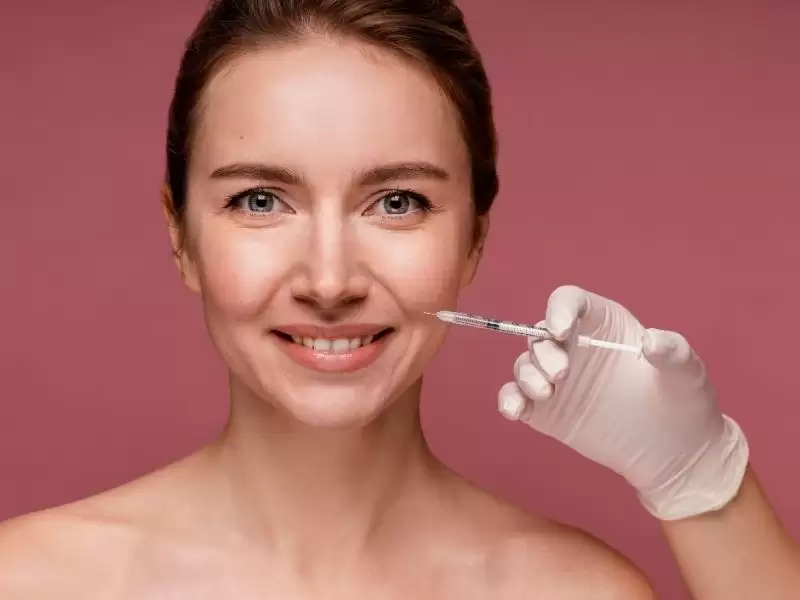
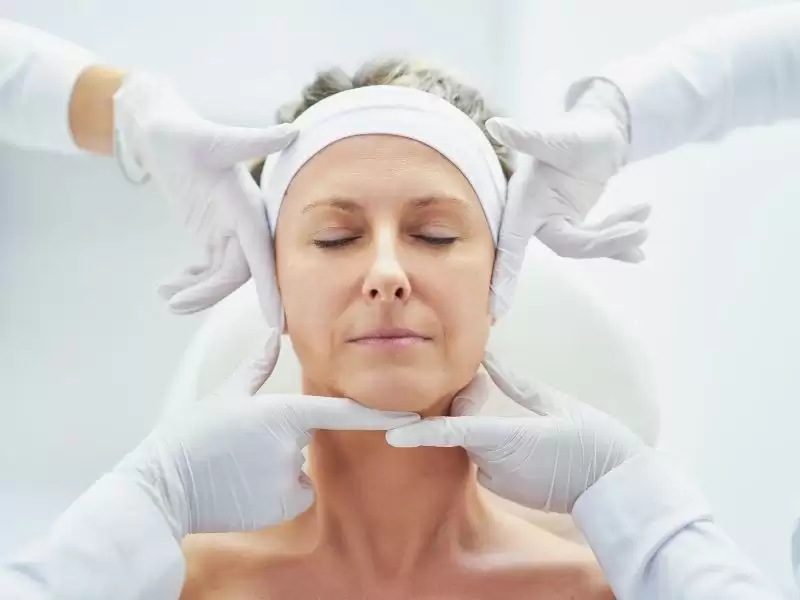
The thread lift procedure is performed under local anesthesia and is typically completed within 30 to 60 minutes. First, the area to be treated is sterilized, and patient comfort is ensured with a numbing cream or local anesthetic. Then, using special needles or cannulas, the threads are placed under the skin. These threads lift and tighten the face by pulling the underlying skin tissues upward. The special barbs on the threads anchor to the subcutaneous tissue, creating a lifting effect. Once the procedure is completed, the threads are positioned invisibly under the skin and are not noticeable from the outside. Mild swelling or redness may occur after the procedure but usually subsides within a few days. The person can return to daily activities immediately after the treatment.
What Are the Advantages of the Thread Lift Procedure?
The main advantage of the thread lift procedure is that it provides natural and effective rejuvenation without surgical intervention. There are no incisions, stitches, or long recovery periods involved. After the procedure, the person can immediately return to social life. The threads stimulate collagen production in the skin, promoting natural regeneration. This helps ensure long-lasting results. Additionally, since the procedure is customized, the natural appearance of the facial contours is preserved. The thread lift provides effective results in a short time and is also more cost-effective compared to surgical facelift operations. If desired, it can be combined with other aesthetic procedures (such as fillers or Botox) to achieve more comprehensive results.
Is the Thread Lift Procedure Permanent?
Although the thread lift procedure is not a permanent solution, it is a treatment that maintains its effect for a long time. The duration of the results varies depending on the type of threads used, but it is generally effective for 1.5 to 3 years. As the absorbable threads are gradually dissolved by the body, they stimulate collagen production, strengthening the structural support of the skin. Therefore, even after the threads dissolve, the skin remains firm and vibrant for an extended period. The longevity of the results may vary depending on factors such as the person’s age, skin structure, lifestyle, and skincare habits. Regular skincare, healthy nutrition, and sun protection can prolong the effects of the thread lift procedure.
Post-Procedure Care After Thread Lift
There are several important points to pay attention to after a thread lift procedure. In the first few days following the treatment, it is recommended to avoid excessive facial expressions, refrain from sleeping face down, and avoid strenuous exercise. In addition, hot environments such as saunas, steam rooms, and Turkish baths should be avoided.
For the first 24 hours, the face should not be washed, and makeup should not be applied. Hard impacts to the treated area should be avoided, and the creams recommended by the doctor should be used. Mild swelling or bruising may occur, but this is temporary. Applying a cold compress helps these symptoms subside quickly. To maintain the best results, it is important to attend regular follow-up appointments after the procedure.
The thread lift procedure stands out as one of the most effective ways to achieve rejuvenation without surgical intervention in the modern aesthetic world. Its short application time and ability to provide a natural appearance make it increasingly popular among individuals. When performed by the right specialist using proper techniques, it is possible to achieve long-lasting and satisfying results.
Frequently Asked Questions About the Thread Lift Procedure
Is the thread lift procedure painful?
The thread lift procedure is usually performed under local anesthesia, so no pain is felt during the process. Only a mild feeling of tightness or slight stinging may occur, which subsides shortly afterward.
How long does swelling last after a thread lift?
Mild swelling and bruising that occur after the procedure typically subside within 3 to 5 days. Applying cold compresses during this period helps speed up recovery.
Does the thread lift procedure leave scars?
No, the thread lift does not leave scars since it is performed without any surgical incisions. The threads are placed under the skin using fine needles, so only slight redness may appear afterward.
Can makeup be applied after a thread lift?
It is not recommended to apply makeup within the first 24 hours. Once the skin has fully settled, usually from the second day onward, makeup can be applied.
Can exercise be done after a thread lift?
Heavy exercise and facial movements that strain the facial muscles should be avoided during the first week. Light exercise can be resumed after the seventh day.
Can men undergo thread lift procedures?
Yes, thread lift treatments can be performed on men as well as women. It is especially popular among men for defining the jawline and enhancing facial contours.
Does facial expression change after a thread lift?
When performed correctly, a thread lift does not alter facial expressions; it simply provides a fresher and more youthful appearance.
Can a thread lift be combined with other aesthetic procedures?
Yes, a thread lift can be combined with treatments such as Botox, fillers, mesotherapy, or PRP. These combinations provide a more comprehensive rejuvenation effect.
Is any preparation required before a thread lift?
It is recommended to stop using blood-thinning medications before the procedure. On the day of treatment, no creams, makeup, or oily products should be applied to the skin.
What is the best season for a thread lift?
The thread lift procedure can be performed in all seasons. However, during the summer months when sun exposure is intense, extra care should be taken to protect the skin from sunlight after the procedure.