
Yüz germe ameliyatı, Prof. Dr. Hüseyin Borman
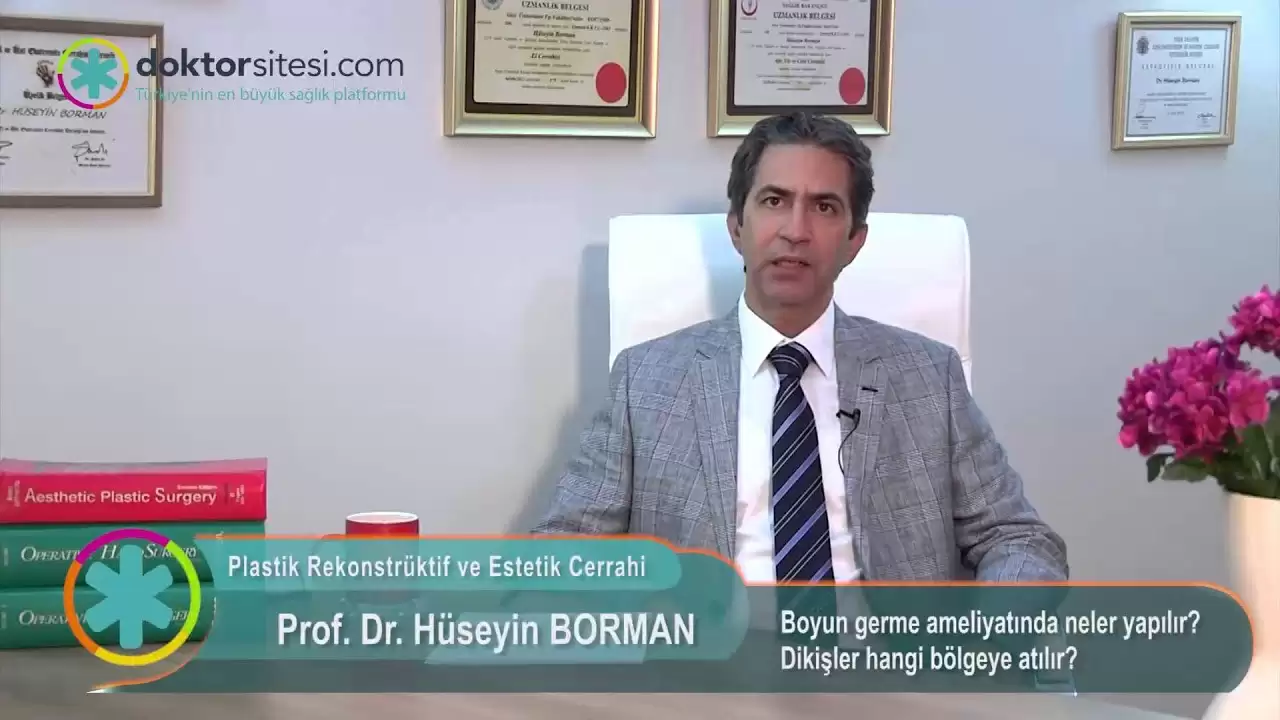
Yaşlanmanın kendini gösterdiği en önemli yer yüzümüz ve boynumuzdur. Kadınların en çok etkilendikleri bölge de bu bölgelerdir. Aynaya baktıkları zaman yüzlerinin kırıştığını, boyunlarının sarktığını görmekten hoşlanmıyorlar. Bu kişilerde yapılacak birçok yöntem vardır. Her kişi için farklı bir yöntem yeterlidir. Buradaki hedefimiz çok gergin bir yüz elde etmek değildir. Hedefimiz buradaki dokuları olmaları gerektiği yere iade etmektir. Yani aslında yüz ifadesini hiçbir zaman bozmadan sadece anatomik olarak olması gerektiği gibi bir ameliyat yapmak gerekmektedir. Birçok ameliyat yöntemi vardır. Bu ameliyat yöntemleri arasında iplikle germe, klasik, yüz germe ameliyatları, hatta ameliyatsız bazı yöntemler de vardır. Ameliyat yaparken genellikle kulak içinden ve arkasından kesiler yapmaktayız. Yani bu kesiler görünmeyen yerlerde yapılmaktadır. Ve kişi karşıdan bakıldığı zaman bu izler görülmemektedir. Bu ameliyatları planlarken yüzü farklı üniteler halinde inceliyoruz. Örneğin kaş, alın ve göz çevresini bir bölümde elmacık kemikleri üzerindeki bölge yani orta yüz dediğimiz bölgeyi ayrı bir bölge. Çene bölge ve boyun bölgesinde birlikte değerlendiriyoruz. Yani bunları birbirinden farklı işler gibi görmemek lazım. Hepsi arasında düzgün bir geçiş olması gerekmektedir. Bu ameliyatları yaparken boyun bölgesinde örneğin çene bölgesiyle olan geçiş çok önemlidir. İkisi arasında bir kopukluk olmamalıdır. Aynı şekilde orta yüz ve yüz germe arasındaki geçişlerde yine çok yumuşak ve düzgün olmalıdır. Ameliyat sonra yapılacak işleme göre hastanın iyileşme süresi mevcuttur. Örneğin minimal invaze dediğimiz iplikle germe veya bir takım cihazları kullanarak yaptığımız ameliyatsız işlemler, ultrason işlemleri. Aynı gün kişi işine dönebilmektedir. Ameliyatlardan sonra yaklaşık beş ile yedi gün arasında bir dinlenme süresi hasta için. Bu dönemde şişlikler inmektedir. Eğer morluk olursa bunlar geçmektedir. Hastanın yaklaşık eğer boyun ameliyatı da olmuşsa bir hafta süreyle boyun korsesi dediğimiz bir elastik korse takmasını öneriyoruz. Hasta daha sonra normal yaşantısına dönebilmektedir.

