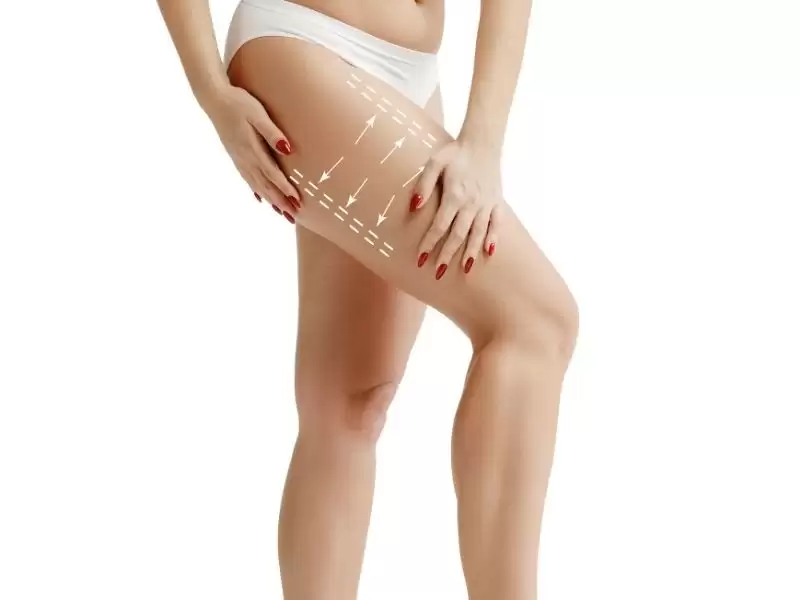
Leg augmentation methods include aesthetic procedures designed to give thin, volume-deficient, asymmetrical, or disproportionate-looking legs a fuller and more balanced appearance. These methods may include fat injection, calf prostheses, silicone implants, and filler applications in suitable patients. The preferred method is determined according to the person’s leg structure, calf volume, skin quality, amount of fat tissue, degree of asymmetry, and expectations. Therefore, leg augmentation is not a single standard procedure but a body contouring process planned individually.
What Are the Leg Augmentation Methods?
Leg augmentation can be performed using different techniques in people with volume deficiency, thinness, asymmetry, or a disproportionate appearance in the lower leg region. The most commonly preferred methods are fat injection, calf prostheses, silicone implants, and filler applications. Each method differs in its advantages, durability, recovery process, and suitable patient group.
Leg augmentation methods can generally be evaluated as follows:
Fat injection performed using the person’s own fat tissue
A calf prosthesis that adds volume to the calf region
A fuller, more defined, and aesthetic calf shape can be achieved using a silicone implant.
Leg fillers for limited volume deficiencies
Leg contouring for asymmetry and contour irregularities
The aim when choosing these methods is not only to increase leg volume but also to help the legs appear more harmonious with the body, natural, and symmetrical.

Who Is Luitable for Leg Augmentation?
Leg augmentation methods may be considered for people who have insufficient leg volume and whose general health is suitable for the procedure. Eligibility is not determined solely by whether the person considers their legs thin. During a plastic surgery examination, the leg structure, skin quality, muscle volume, fat tissue, symmetry, and expectations are evaluated together.
These methods may be suitable for people who:
Are concerned about the appearance of thin legs
Have a noticeable lack of volume in the calf region
Have asymmetry between the right and left legs
Cannot achieve sufficient calf development through exercise
Want to achieve a more balanced leg-to-body ratio
Have differences in leg volume due to trauma, disease, or congenital causes
However, the same method is not suitable for every patient. Fat injection may be limited in a person who does not have enough fat tissue. A calf prosthesis or silicone implant may be considered a more suitable option for patients who want pronounced and long-lasting calf volume.
How Can Thin Legs Ce Made Fuller?
The appearance of thin legs can be evaluated using different methods depending on which part of the leg lacks volume. In some people, the problem is concentrated in the calf region, while in others there may be reduced volume throughout the lower leg below the knee. Therefore, thin leg aesthetics does not consist of a single standard procedure.
Fat transfer, calf implants, silicone prostheses, or, in some cases, filler applications may be preferred to add volume to thin legs. The method is selected according to the person’s existing leg structure and the desired result. The aim is not only to add volume but also to create a more balanced leg contour.
Leg Augmentation With Fat Injection
Leg augmentation with fat injection is performed by processing fat tissue taken from the person’s own body and injecting it into areas of the leg where volume is deficient. Fat tissue taken from areas such as the abdomen, waist, hips, or thighs can generally be used to support the calf or lower-leg contour.
The most important advantage of this method is that the person’s own tissue is used. A body-contouring effect may also be achieved in the area from which the fat is removed. However, not all transferred fat may be permanent. Some of it may be absorbed by the body over time. Therefore, a second session may be required for some patients.
Leg augmentation with fat injection may be considered particularly for people who:
Have sufficient fat tissue in their body
Want more natural volume with smooth transitions
Have mild or moderate volume deficiency
Have localized irregularities in the leg contour
Are suitable patients who do not want an implant
This method alone may not be sufficient for people who do not have enough fat tissue or who want a very pronounced increase in volume.
Leg Augmentation With a Calf Prosthesis
Walf prosthesis is a surgical option considered particularly for people with a noticeable lack of volume in the calf region. A prosthesis of an appropriate size and shape is placed in the calf region to give the leg a fuller, more defined, and balanced appearance.
When selecting a calf prosthesis, the person’s leg length, muscle structure, skin quality, and desired volume are taken into account. It is important for the prosthesis not to be noticeable from the outside, to create a natural transition, and to maintain symmetry between the two legs. Therefore, prosthesis planning should be individualized.
A calf prosthesis may be considered particularly for people who cannot achieve sufficient calf development through exercise, who have genetically thin calves, or who have a noticeable lack of volume in the lower legs.
Leg Augmentation With a Silicone Implant
Seg augmentation with a silicone implant is one of the surgical methods used to add volume to the calf region. Silicone implants are selected in dimensions suitable for the person’s leg structure and placed in the appropriate anatomical plane. This procedure may be considered especially for patients in whom sufficient volume cannot be achieved with fat injection.
Careful planning is very important in implant procedures. Excessively large implants may create an unnatural appearance, while very small implants may not meet expectations. Therefore, the desired result should be planned together with the person’s body proportions and existing leg structure.
The aim of this method is to give the calf region a more defined and long-lasting shape while preserving a natural appearance.
Leg Augmentation With Fillers
Leg fillers may be considered for some patients who do not want surgery or who want a more limited increase in volume. Filler applications may be preferred particularly for small contour deficiencies or milder volume needs. However, fillers alone may not be sufficient when a large amount of volume is required.
The durability of filler applications varies according to the material used, the amount applied, and the person’s tissue structure. Not every filler material is suitable for the leg region. Therefore, the decision to use leg fillers should be made after a plastic surgery evaluation in terms of safety and suitability.
Which Methods Are Used for Very Thin Leg Aesthetics?
Very thin leg aesthetics is a term commonly used to describe legs that appear extremely thin, straight, and lacking in volume. This appearance may sometimes result from genetic structure or may occur when the lower legs remain relatively slender compared with the person’s overall body structure.
Fat injection, calf prostheses, silicone implants, or filler methods may be considered according to the individual in cases of very thin-looking legs. The aim of these applications is not only to increase leg volume but also to create a more harmonious proportion between the calf, lower knee area, ankle, and upper leg.
Which Methods Are Used for Low-Leg Appearance?
Bow-leg aesthetics refers to procedures intended to reduce the appearance of spacing, curvature, or disproportion between the legs. In some people, the bow-legged appearance may result from soft-tissue deficiency rather than bone structure. In this situation, fat injection, fillers, or implant applications may help balance the appearance.
However, leg augmentation methods alone may not be sufficient for advanced curvature caused by bone structure. Therefore, whether the bow-legged appearance results from bone structure or soft-tissue deficiency should be evaluated during the examination.
Are Leg Augmentation Methods Permanent?
Bhether leg augmentation results are permanent depends on the method used. With fat injection, some of the transferred fat may remain permanently, while some may be absorbed by the body. Therefore, results may vary from person to person, and additional sessions may be required for some patients.
Procedures performed with calf implants or silicone prostheses may provide more permanent volume. However, long-term monitoring of the implants is important. Filler applications generally do not last as long as implants, and their durability depends on the filler material used.
Durability depends not only on the method but also on the person’s weight changes, tissue structure, lifestyle, and recovery process.

How Is the Leg Augmentation Method Selected?
Choosing the correct method is one of the most important stages of the leg augmentation process. Simply wanting fuller legs is not enough. The anatomical structure of the legs, fat tissue, skin quality, muscle appearance, and expectations should be evaluated together.
The main factors affecting the choice of method include:
The degree of volume deficiency
Whether sufficient fat tissue is available
The existing shape of the calf region
The difference between the right and left legs
Whether the person wants a more natural or more pronounced result
Suitability for a surgical procedure
The amount of time the person can allocate to recovery
As a result of this evaluation, fat injection may be more suitable for some patients, a calf prosthesis for others, and combined approaches for certain patients.
Leg Augmentation in Ankara
Beg augmentation in Ankara is commonly searched by people who are researching both available procedure options and the plastic surgery evaluation process. When planning leg augmentation methods in Ankara, the person’s leg structure, volume needs, degree of asymmetry, and expectations should be evaluated in detail.
Leg aesthetics in Ankara may include leg augmentation using fat injection, calf implants, or other body-contouring methods. The important point is not to recommend a single method to every patient but to determine the approach most suitable for the person’s anatomy and expectations.
During a plastic surgery evaluation in Ankara, the front, side, and back views of the legs are examined. Calf volume, the transition to the ankle, the proportions below the knee, and right-left symmetry are assessed to create the treatment plan.
Leg lift content may also be reviewed.
Frequently Asked Questions About Leg Augmentation Methods
How Long Does Leg Augmentation Surgery Take?
The duration of surgery varies depending on the method used. Fat injection, calf implant, or other implant procedures may take different amounts of time; the duration may increase as the scope of the procedure expands.
When Can I Walk After Leg Augmentation?
The walking process varies depending on the method used and the individual’s recovery. Short and controlled walks may be recommended during the initial period, while returning to intensive physical activity should be planned under the supervision of the doctor.
Is a Calf Implant Visible From the Outside?
A calf implant that is selected in the correct size and placed in the appropriate anatomical plane generally aims to provide a natural appearance. However, the result depends on the person’s leg structure, skin quality, and implant selection.
Is Leg Augmentation With Fat Injection Permanent?
Some of the injected fat may remain permanently, while some may be absorbed by the body over time. Therefore, results may vary from person to person, and additional sessions may be required in some patients.
Can Thin Legs Become Thicker With Exercise?
Exercise can help increase muscle volume; however, genetic structure, muscle development capacity, and leg anatomy affect the outcome. In some individuals, the desired calf volume may not develop despite regular exercise.
Who Is Not Suitable for Leg Augmentation?
The procedure may not be suitable for individuals whose general health condition is not appropriate, who have an active infection, who have serious medical conditions that may affect healing, or who have unrealistic expectations.
When Does Swelling Subside After Leg Augmentation?
The reduction of swelling varies depending on the method used and the individual’s tissue structure. Swelling that is noticeable during the first few weeks gradually decreases, while the final appearance may take several months to settle.
Is Leg Augmentation a Painful Procedure?
Pain and tenderness may occur after the procedure. These symptoms can generally be managed with medications recommended by the doctor and an appropriate period of rest.
What Determines the Cost of Leg Augmentation?
The cost of leg augmentation may vary depending on the method used, whether an implant or filler is required, the scope of the procedure, the type of anesthesia, and the patient’s individual needs. An examination is required to determine the exact cost.
Which Is More Permanent: Leg Filler or a Calf Implant?
A calf implant generally provides longer-lasting volume than filler applications. However, the most appropriate method should be determined according to the individual’s leg structure and expectations.